Money Lessons Should Start Before the First Paycheque
Most children encounter money long before they understand what it means. They watch their parents pay for groceries, order food, use a card at a restaurant, shop online or make payments through their phones. They understand that money is what allows them to buy things, but understanding how to use money thoughtfully is a completely different skill. As children grow older, they gradually move from asking their parents for things to receiving pocket money, making their own purchases and eventually earning their first salary. Somewhere along that journey, they are expected to understand saving, spending, budgeting, banking, credit and financial responsibility, often without ever having been formally taught how any of it works.

That is why financial literacy is something worth introducing much earlier than adulthood. It does not mean sitting a child down and explaining complicated financial terminology or expecting them to understand investments and banking products at a young age. It is about helping them develop a basic relationship with money through everyday experiences. Learning that money is limited, that choices have consequences, that saving can help you achieve a goal and that something being expensive does not automatically make it valuable are all lessons that can gradually shape the way a child approaches financial decisions later in life.
The First Lesson: Money Represents Choices
One of the simplest ways to introduce financial literacy is to help children understand that money represents choices. If a child receives AED 50, the conversation does not necessarily have to be about what they can buy with it. It can be about what they choose to do with it. They could spend it immediately, save it towards something they want, divide it between spending and saving, or even use some of it to buy something for someone else. None of these choices is necessarily right or wrong. What matters is that the child starts to understand that choosing one option means giving up another.
This is an important concept because money is ultimately about trade-offs. If AED 50 is spent today, it cannot also be used for something else tomorrow. If it is saved, the child may have to wait, but that money remains available for a future goal. Even at a very young age, children can begin to understand that having money is not simply about being able to buy something immediately. It is also about having the ability to make choices about when and where that money is used.
Pocket money can therefore become a useful learning opportunity. Rather than treating an allowance simply as money that a child receives, parents can use it to give children some controlled independence. A child who is given a small amount and allowed to decide how to use it is learning to prioritise, even if they do not realise it at the time.
Learning the Difference Between Want and Need
One of the most valuable financial conversations a parent can have with a child is also one of the simplest: Do you need this, or do you want this?
The purpose is not to teach children that wanting something is wrong. Wants are a normal part of life, and learning to enjoy the money we earn is also important. The lesson is to understand that necessities and preferences are different, and that recognising the difference can help us make better decisions about limited resources.
For example, a child may already have several toys but want another one they have recently seen. Instead of simply saying yes or no, a parent could ask what makes the new toy appealing, how much it costs, whether the child would rather save for something else and whether they would still want it after waiting for a few days. This gives the child an opportunity to think about the purchase rather than simply reacting to the desire to own it.
That same thought process becomes increasingly useful as children grow older. The amounts may eventually become larger and the decisions more complicated, but the underlying question remains the same. Before spending money, it helps to understand whether you are paying for something you genuinely need, something you value or simply something you want at that moment.
Saving Becomes Easier When There Is a Goal
Telling a child to “save money” can sound abstract. Giving them something specific to save for can make the concept much easier to understand.
If a child wants something that costs AED 300 and receives AED 50 a week, they can begin to see the relationship between regular saving and reaching a larger goal. They may decide to save all their pocket money, save part of it and spend the rest, or change their goal entirely. The important part is that they experience the process of working towards something instead of simply receiving it immediately.
This teaches more than saving. It introduces the idea of patience and delayed gratification. A child learns that choosing not to spend money today can create an opportunity to buy something more meaningful later. They also begin to understand that reaching a financial goal is usually a process rather than a single decision.
The experience can become even more powerful when the child eventually reaches that goal using money, they have saved themselves. The purchase then represents not only the item they wanted, but also the decisions they made along the way to afford it.
Small Amounts Can Teach Big Lessons
Children can also learn about the impact of repeated spending through very simple examples. AED 10 may not seem like a particularly large amount, especially when it is spent on something small such as a snack or drink. But if that AED 10 is spent every school day, the total over approximately 20 school days becomes AED 200.
The purpose of this exercise is not to tell children that they should never spend AED 10. Instead, it shows them why looking at individual purchases can sometimes give an incomplete picture. A small expense may not feel important on its own, but repeated decisions can create a much larger financial outcome.
This is a lesson that remains relevant well into adulthood. People rarely make one decision that determines their entire financial position. More often, their financial picture develops through hundreds of smaller decisions made over months and years. Helping children understand this early can give them a useful foundation for understanding their own spending later in life.
Let Children Make Small Financial Mistakes
Financial literacy should not mean trying to prevent children from ever making a poor financial decision. In fact, small mistakes can sometimes be some of the most effective teachers.
A child who spends all their pocket money immediately and then has nothing left when they see something they really want has experienced a simple lesson in planning. A child who saves for something and later decides they no longer want it has learned that priorities can change. Another child might compare two products and realise that the more expensive option does not necessarily offer enough additional value to justify the extra cost.
These are relatively low-risk opportunities to experience the consequences of financial decisions. When parents immediately fix every money mistake, children may miss the opportunity to understand what caused the problem and how they could approach it differently next time.
The goal is not to make children afraid of making financial mistakes. It is to give them enough understanding and experience that they gradually become better at making decisions for themselves.
Teach Value, Not Just Price
Another important lesson is that price and value are not necessarily the same thing. Children often see a lower price as automatically meaning that something is a better choice, but financial decision-making is rarely that simple.
Imagine two products priced at AED 20 and AED 35. The AED 20 option may initially appear to be the obvious choice, but perhaps the AED 35 product lasts significantly longer or provides something the child genuinely values. At the same time, the additional AED 15 may not be worthwhile if those extra features will never be used.
The better question is therefore not simply, “Which one costs less?” It is, “What am I getting for the money I am spending?”
This way of thinking becomes particularly valuable later in life. Adults make decisions about everything from mobile plans and subscriptions to travel and financial products, where the cheapest option is not necessarily the one that offers the best overall value. Teaching children to think beyond the price tag prepares them to evaluate those choices more thoughtfully.
Financial Literacy Should Grow With the Child
As children become teenagers, the financial conversations around them can gradually become more sophisticated. They can begin to understand what a bank account is, how money can be deposited and withdrawn, why people keep records of their transactions and how digital banking allows people to manage their finances.
Eventually, concepts such as credit can also be introduced in an age-appropriate way. Rather than presenting credit as something mysterious or simply telling young people to avoid it, parents can explain that credit is a financial tool that comes with responsibilities. A credit card, for example, is not simply another way to spend money. Understanding how repayments, fees, rewards, benefits and terms work becomes important when someone eventually starts considering financial products independently.
The timing of these conversations will naturally differ from one child to another. What matters is that financial education develops alongside the child. A five-year-old does not need to understand credit-card rewards, just as a teenager does not need a lecture designed for a financial professional. Each stage can introduce concepts that are relevant to the decisions the child is beginning to make.
The Most Important Lesson May Be Asking Questions
Financial literacy is often associated with knowing the right answers, but one of the most valuable skills a child can develop is knowing which questions to ask.
Why does this cost more? Could I save for it instead? What happens if I spend all my money? Is this better value? Why are these two products different? What does this financial term mean?
These questions encourage children to look beyond the most obvious choice. More importantly, they teach them that it is perfectly reasonable not to know everything about money immediately.
That mindset can become incredibly valuable in adulthood. Financially confident people are not necessarily people who understand every financial product or know every term. They are willing to ask questions, seek information and compare their options before making important decisions.
Preparing Children for Their Financial Future
By the time someone receives their first salary, they should ideally have encountered the basic ideas behind financial decision-making. They should understand that income is limited, that spending involves choices, that saving requires planning and that the price of something does not always tell you its value.
As adulthood brings more complicated decisions, those foundations can become increasingly important. Choosing a bank account, understanding credit, comparing financial products or eventually selecting a credit card all require the same underlying ability to evaluate information and make decisions based on personal priorities.
This is where financial literacy becomes much bigger than simply teaching children how to save their pocket money. It is about preparing them to become adults who are comfortable making financial decisions rather than avoiding them because the subject feels complicated.
Financial Confidence Starts Small
Financial education does not need to begin with a textbook or a formal lesson. It can start at the supermarket when a child asks why one product costs more than another. It can happen when they decide whether to spend their pocket money immediately or save it for something they really want. It can happen when they make a purchase that does not turn out to be worthwhile and learn from the experience.
These small conversations gradually build a bigger understanding of money.
The goal is not to teach children that every purchase must be calculated or that spending money is something to feel guilty about. It is to help them understand that money is a resource, and using it well means making choices that reflect what matters to them.
By the time their first paycheque arrives, the numbers may be bigger, the responsibilities may be greater, and the financial products may be more complex. But the fundamental skill remains the same: understanding your options and making an informed decision.
At TestMyCard, we believe that financial confidence comes from being able to understand and compare your choices. While credit cards are only one part of a person's broader financial journey, knowing how to evaluate a financial product, understand its benefits and consider whether it fits your needs is an important skill to develop as you become financially independent. The journey towards smarter financial decisions can start much earlier than the first salary, sometimes, it starts with something as simple as a child's first AED 50.
Latest Post

Why 2026 Is the Best Time to Be a Credit Card Holder in the UAE
Credit cards in the UAE have historically been approached with a degree of caution. While the rewards on offer were often appealing, eligibility requirements, complex fee structures

Choosing the Right Credit Card for Your Family in the UAE
Family life in the UAE comes with a unique spending pattern. Unlike single professionals who may concentrate their expenses on travel, dining, or lifestyle purchases,

How Much Credit Card Cashback Can You Realistically Earn in a Year
One of the most common questions credit card users in the UAE ask is simple, but important

The Smart Traveller's Guide to Using Credit Cards Abroad
For many UAE residents, international travel is no longer a once-a-year event. Whether it is a summer escape to Europe, a family holiday in Asia, or a quick city break over a long weekend, spending abroad has become a regular part of life.
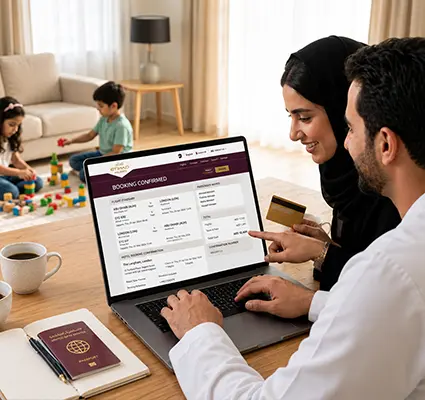
Best Credit Cards for Booking Flights and Hotels This Summer in the UAE
Summer is one of the busiest travel seasons for UAE residents. Whether you're heading to London for cooler weather, Istanbul for a long weekend, the Maldives for a family holiday, or flying home to visit relatives, chances are your biggest expenses will be flights and accommodation.

How to Maximise Credit Card Rewards Without Overspending in the UAE
Most people in the UAE approach credit card rewards the wrong way. They assume more spending means more rewards

Premium vs. Entry-Level Credit Cards in the UAE- Is the Annual Fee Worth It?
You have seen them, the sleek metal cards, the platinum tiers, the promises of lounge access and complimentary chauffeur rides

How to Maximise Your Credit Card Rewards This Eid Al-Adha
Eid Al-Adha is almost here, falling on 26th May this year, and with it comes one of the biggest spending seasons on the UAE calendar

Should You Get Multiple Credit Cards? A UAE Guide
If you've ever wondered whether having more than one credit card is a smart move or a recipe for debt
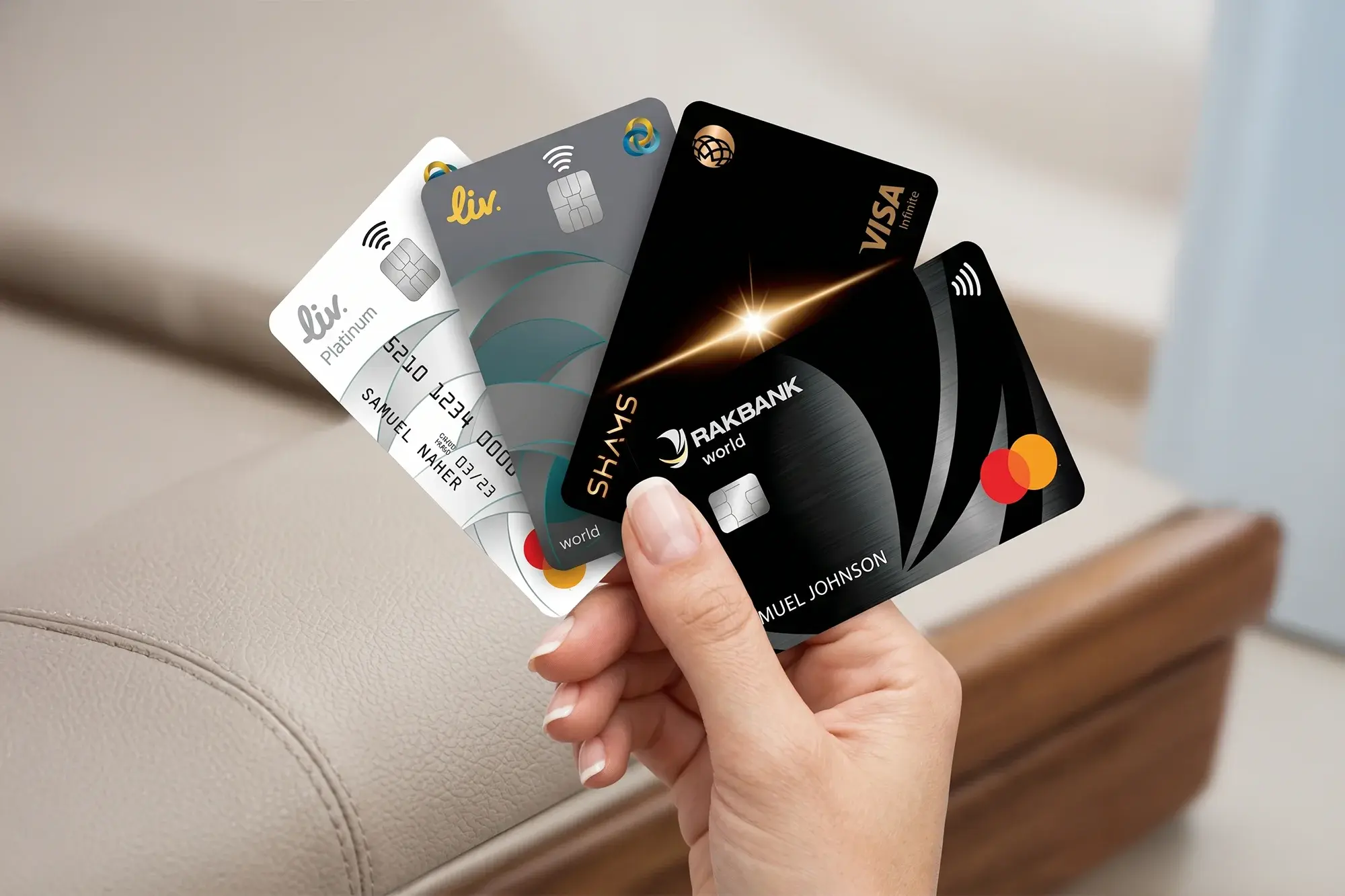
Best Credit Cards for Dining in the UAE : Earn While You Eat
Let's be honest — if your credit card isn't rewarding your Friday brunch, your weeknight takeaway, or your third coffee of the day, it's not working harder for you.

The Best Credit Cards for Grocery Shopping in the UAE
Groceries are non-negotiable. For a typical UAE household of four, monthly supermarket spending ranges from AED 2,500 to AED 4,000

How to Apply for Your First Credit Card in the UAE
Applying for a Credit Card in the UAE should be simple. Between salary thresholds, AECB score requirements, and a market that has genuinely changed in 2025,

Cashback vs. Air Miles: Which UAE Credit Card Is Right for You?
Credit cards in the UAE offer an impressive array of benefits. Two of the most popular features residents look for are cashback rewards and air miles. Each offers distinct advantages, but they work differently and suit different spending habits.

5 Common Mistakes to Avoid When Choosing a Credit Card in the UAE
Credit cards in the UAE offer a world of convenience and valuable benefits — from cashback and travel rewards to shopping discounts and exclusive services. Yet, despite countless offers and promotions, many residents end up choosing cards that don’t truly suit their needs.
How to Use Test My Card to Find the Best Credit Card for You in Minutes
The UAE has one of the most diverse credit card markets in the world. Cashback, air miles, shopping discounts, travel perks—every bank offers different deals to attract customers. While this competition benefits consumers, it also creates confusion.
Salary Below AED 5,000 in the UAE? What You Should Know About Credit Card Eligibility
In the UAE, many residents earning below AED 5,000 assume that credit cards are completely out of reach. While income requirements do play an important role, it is equally essential to understand how today’s lending rules
Top 5 Credit Cards in the UAE with No Annual Fees
For many residents in the UAE, credit cards are essential tools for everyday life — offering convenience, security, and valuable rewards. However, one feature that often frustrates users is the annual fee

Money Lessons Should Start Before the First Paycheque
Most children encounter money long before they understand what it means. They watch their parents pay for groceries, order food, use a card at a restaurant, shop online or make payments through their phones.

The UAE Financial Vocabulary: Making Sense of the Terms You See Every Day
Walk into any UAE bank, browse a credit-card comparison page or scroll through an offer online, and you are likely to come across a familiar pattern.

The Convenience of “Buy Now”: How Delayed Payments Change the Way We Spend
You see a phone priced at AED 3,000. Then, right next to it, you see: AED 250 per month.

The Financial Domino Effect: How One Money Decision Can Change Everything Else
Money decisions rarely happen in isolation. You may think you are simply taking a new credit card, increasing your credit limit, moving to a more expensive apartment, taking a personal loan, or switching your bank.

The Spending Paradox: Why a High Salary Can Still Feel Like It's Not Enough
A higher salary should make you feel financially better off. You earn more, so naturally, you expect to have more money available for savings, investments, travel and the things you enjoy

Financial FOMO: Are You Choosing Products Because Everyone Else Is?
Your colleague just got a new credit card because the cashback is insane. Your cousin switched banks because their favourite influencer swears by it.

The Data Behind Your Wallet: How Banks Understand Your Financial Behaviour
Every time you tap your card at a coffee shop, pay a utility bill, or transfer money to a friend, you're leaving behind a small piece of information.

Your Money Personality: Are You a Saver, Spender, Optimiser, or Maximiser?
Ask two people with the same salary how they handle money, and you'll often get two completely different answers. One keeps a strict budget and rarely touches their savings.

The Personal Finance Reset: 5 Things Everyone Should Review Every Year
Most of us wouldn't drive a car for a full year without a service check. Yet many people go twelve months or more without giving their finances the same basic maintenance

How AI Is Changing the Way UAE Residents Choose Credit Cards
Until recently, choosing a credit card in the UAE meant scrolling through bank websites, opening a handful of tabs

Big-Ticket Purchases Made Easy: How 0% Instalment Plans Work on UAE Credit Cards
Buying a new laptop, upgrading your home appliances, or booking a family trip often means spending a large amount of money in one go. For many UAE residents
How Minimum Salary Thresholds Are Set and Why They Vary by Card Tier
Every UAE bank checks one thing first when reviewing a credit card application: your monthly salary. Before anything else is considered

The Rise of Super App Co-Branded Cards (noon, Talabat, Careem) and What They Mean for Your Rewards
UAE banks are increasingly building credit cards around the apps people already use every day, rather than offering generic cashback on broad spending categories

Understanding Interest-Free Periods : How to Enjoy Your Credit Card Without Paying a Dirham in Interest
Picture this: your salary gets credited on the 1st, and by the 25th, you've swiped your card for everything from groceries to a weekend trip.

The Psychology of Swiping: Why Credit Cards Feel Different from Cash
Picture two Fridays. On the first, you withdraw AED 500 in cash for brunch at a restaurant in Dubai Marina, and you feel every dirham leave your wallet as the bill adds up.

How to Build a Strong Credit History in the UAE Using Your Credit Card
Most people in the UAE get a credit card for the rewards. The cashback, the lounge access, and the dining discounts are the obvious reasons.
Why 2026 Is the Best Time to Be a Credit Card Holder in the UAE
Credit cards in the UAE have historically been approached with a degree of caution. While the rewards on offer were often appealing, eligibility requirements, complex fee structures
Choosing the Right Credit Card for Your Family in the UAE
Family life in the UAE comes with a unique spending pattern. Unlike single professionals who may concentrate their expenses on travel, dining, or lifestyle purchases,
How Much Credit Card Cashback Can You Realistically Earn in a Year
One of the most common questions credit card users in the UAE ask is simple, but important
The Smart Traveller's Guide to Using Credit Cards Abroad
For many UAE residents, international travel is no longer a once-a-year event. Whether it is a summer escape to Europe, a family holiday in Asia, or a quick city break over a long weekend, spending abroad has become a regular part of life.
Best Credit Cards for Booking Flights and Hotels This Summer in the UAE
Summer is one of the busiest travel seasons for UAE residents. Whether you're heading to London for cooler weather, Istanbul for a long weekend, the Maldives for a family holiday, or flying home to visit relatives, chances are your biggest expenses will be flights and accommodation.
How to Maximise Credit Card Rewards Without Overspending in the UAE
Most people in the UAE approach credit card rewards the wrong way. They assume more spending means more rewards
Premium vs. Entry-Level Credit Cards in the UAE- Is the Annual Fee Worth It?
You have seen them, the sleek metal cards, the platinum tiers, the promises of lounge access and complimentary chauffeur rides
How to Maximise Your Credit Card Rewards This Eid Al-Adha
Eid Al-Adha is almost here, falling on 26th May this year, and with it comes one of the biggest spending seasons on the UAE calendar
Should You Get Multiple Credit Cards? A UAE Guide
If you've ever wondered whether having more than one credit card is a smart move or a recipe for debt
Best Credit Cards for Dining in the UAE : Earn While You Eat
Let's be honest — if your credit card isn't rewarding your Friday brunch, your weeknight takeaway, or your third coffee of the day, it's not working harder for you.
The Best Credit Cards for Grocery Shopping in the UAE
Groceries are non-negotiable. For a typical UAE household of four, monthly supermarket spending ranges from AED 2,500 to AED 4,000
How to Apply for Your First Credit Card in the UAE
Applying for a Credit Card in the UAE should be simple. Between salary thresholds, AECB score requirements, and a market that has genuinely changed in 2025,
Cashback vs. Air Miles: Which UAE Credit Card Is Right for You?
Credit cards in the UAE offer an impressive array of benefits. Two of the most popular features residents look for are cashback rewards and air miles. Each offers distinct advantages, but they work differently and suit different spending habits.
5 Common Mistakes to Avoid When Choosing a Credit Card in the UAE
Credit cards in the UAE offer a world of convenience and valuable benefits — from cashback and travel rewards to shopping discounts and exclusive services. Yet, despite countless offers and promotions, many residents end up choosing cards that don’t truly suit their needs.
How to Use Test My Card to Find the Best Credit Card for You in Minutes
The UAE has one of the most diverse credit card markets in the world. Cashback, air miles, shopping discounts, travel perks—every bank offers different deals to attract customers. While this competition benefits consumers, it also creates confusion.
Salary Below AED 5,000 in the UAE? What You Should Know About Credit Card Eligibility
In the UAE, many residents earning below AED 5,000 assume that credit cards are completely out of reach. While income requirements do play an important role, it is equally essential to understand how today’s lending rules
Top 5 Credit Cards in the UAE with No Annual Fees
For many residents in the UAE, credit cards are essential tools for everyday life — offering convenience, security, and valuable rewards. However, one feature that often frustrates users is the annual fee
Money Lessons Should Start Before the First Paycheque
Most children encounter money long before they understand what it means. They watch their parents pay for groceries, order food, use a card at a restaurant, shop online or make payments through their phones.
The UAE Financial Vocabulary: Making Sense of the Terms You See Every Day
Walk into any UAE bank, browse a credit-card comparison page or scroll through an offer online, and you are likely to come across a familiar pattern.
The Convenience of “Buy Now”: How Delayed Payments Change the Way We Spend
You see a phone priced at AED 3,000. Then, right next to it, you see: AED 250 per month.
The Financial Domino Effect: How One Money Decision Can Change Everything Else
Money decisions rarely happen in isolation. You may think you are simply taking a new credit card, increasing your credit limit, moving to a more expensive apartment, taking a personal loan, or switching your bank.
The Spending Paradox: Why a High Salary Can Still Feel Like It's Not Enough
A higher salary should make you feel financially better off. You earn more, so naturally, you expect to have more money available for savings, investments, travel and the things you enjoy
Financial FOMO: Are You Choosing Products Because Everyone Else Is?
Your colleague just got a new credit card because the cashback is insane. Your cousin switched banks because their favourite influencer swears by it.
The Data Behind Your Wallet: How Banks Understand Your Financial Behaviour
Every time you tap your card at a coffee shop, pay a utility bill, or transfer money to a friend, you're leaving behind a small piece of information.
Your Money Personality: Are You a Saver, Spender, Optimiser, or Maximiser?
Ask two people with the same salary how they handle money, and you'll often get two completely different answers. One keeps a strict budget and rarely touches their savings.
The Personal Finance Reset: 5 Things Everyone Should Review Every Year
Most of us wouldn't drive a car for a full year without a service check. Yet many people go twelve months or more without giving their finances the same basic maintenance
How AI Is Changing the Way UAE Residents Choose Credit Cards
Until recently, choosing a credit card in the UAE meant scrolling through bank websites, opening a handful of tabs
Big-Ticket Purchases Made Easy: How 0% Instalment Plans Work on UAE Credit Cards
Buying a new laptop, upgrading your home appliances, or booking a family trip often means spending a large amount of money in one go. For many UAE residents
How Minimum Salary Thresholds Are Set and Why They Vary by Card Tier
Every UAE bank checks one thing first when reviewing a credit card application: your monthly salary. Before anything else is considered
The Rise of Super App Co-Branded Cards (noon, Talabat, Careem) and What They Mean for Your Rewards
UAE banks are increasingly building credit cards around the apps people already use every day, rather than offering generic cashback on broad spending categories
Understanding Interest-Free Periods : How to Enjoy Your Credit Card Without Paying a Dirham in Interest
Picture this: your salary gets credited on the 1st, and by the 25th, you've swiped your card for everything from groceries to a weekend trip.
The Psychology of Swiping: Why Credit Cards Feel Different from Cash
Picture two Fridays. On the first, you withdraw AED 500 in cash for brunch at a restaurant in Dubai Marina, and you feel every dirham leave your wallet as the bill adds up.
How to Build a Strong Credit History in the UAE Using Your Credit Card
Most people in the UAE get a credit card for the rewards. The cashback, the lounge access, and the dining discounts are the obvious reasons.
Why 2026 Is the Best Time to Be a Credit Card Holder in the UAE
Credit cards in the UAE have historically been approached with a degree of caution. While the rewards on offer were often appealing, eligibility requirements, complex fee structures

