Should You Get Multiple Credit Cards? A UAE Guide
If you've ever wondered whether having more than one credit card is a smart move or a recipe for debt, you're not alone. It's one of the most common questions we hear from UAE residents. The short answer? It depends. But when done right, holding multiple cards can work in your favour
Why One Card Might Not Be Enough
Most credit cards are built to reward one type of spending well . A travel card earns you miles on flights but gives you nothing back on your weekly grocery run. A cashback card saves you money on everyday purchases, but won't get you into the airport lounge. If your lifestyle covers multiple spending categories and most people's do a single card is probably leaving value on the table.

The Case for Multiple Cards
Here's how a smart two or three-card setup might look for a UAE resident:
- Travel card - RAKBANK Elevate Credit Card (no annual fee, 1,300+ airport lounges, free travel eSIM) or the Emirates Skywards Infinite Credit Card by DIB for heavy Emirates flyers
- Cashback card - LIV Cashback+ Credit Card by ENBD (up to 4% cashback on travel, dining, groceries, and international spends) or the DIB Consumer Cashback Platinum Card for UAE-specific categories like fuel, school fees, and Salik top-ups
- Dining card - SHAMS Infinite Covered Card by DIB (5% back on dining and travel) or the SHAMS Platinum Covered Card if you want a lower entry point at AED 199/year
The idea is simple: use the right card for the right purchase, and you're earning more rewards on the same money you were already spending.
Compare all available cards on testmycard.ae and find your ideal combination in minutes.
When Multiple Cards Can Backfire
More cards mean more statements to track, more payment dates to remember, and more temptation to overspend. If you tend to revolve your outstanding balance month to month, interest charges will almost always outweigh whatever rewards you earn. Multiple cards only make financial sense if you pay your full balance each month, no exceptions.
There's also your credit utilisation to consider. Keeping your total credit usage below 30% of your combined limit is generally good practice. Ironically, having more cards can help here as long as you're not maxing them out.
What to Check Before Applying for a Second Card
- What spending category is your current card weakest on?
- Are you consistently paying your balance in full?
- Does the annual fee make sense for how you'll use the card?
- Do you meet the minimum salary requirement?
To give you a sense of the range:
- Easy add-ons (low barrier): RAK Islamic Platinum Credit Card - AED 5,000 minimum salary, zero annual fee
- Easy add-ons (low barrier): LIV Cashback Credit Card by ENBD - AED 5,000 minimum salary, zero annual fee
- Mid-tier: Emirates Skywards Platinum Credit Card (DIB) - AED 10,000 minimum salary, AED 500/year
- Premium: RAKBANK World Credit Card - AED 20,000 minimum salary, AED 999/year
- Premium: Emirates Skywards Infinite Credit Card (DIB) - AED 20,000 minimum salary, AED 1,500/year
The Smart Approach
Start with one card that covers your biggest spending category. Once you've mastered using it responsibly, add a second card that fills the gap. There's rarely a good reason to hold more than three, beyond that, the complexity tends to outweigh the rewards.
Latest Post

Why 2026 Is the Best Time to Be a Credit Card Holder in the UAE
Credit cards in the UAE have historically been approached with a degree of caution. While the rewards on offer were often appealing, eligibility requirements, complex fee structures

Choosing the Right Credit Card for Your Family in the UAE
Family life in the UAE comes with a unique spending pattern. Unlike single professionals who may concentrate their expenses on travel, dining, or lifestyle purchases,

How Much Credit Card Cashback Can You Realistically Earn in a Year
One of the most common questions credit card users in the UAE ask is simple, but important

The Smart Traveller's Guide to Using Credit Cards Abroad
For many UAE residents, international travel is no longer a once-a-year event. Whether it is a summer escape to Europe, a family holiday in Asia, or a quick city break over a long weekend, spending abroad has become a regular part of life.
Best Credit Cards for Booking Flights and Hotels This Summer in the UAE
Summer is one of the busiest travel seasons for UAE residents. Whether you're heading to London for cooler weather, Istanbul for a long weekend, the Maldives for a family holiday, or flying home to visit relatives, chances are your biggest expenses will be flights and accommodation.

How to Maximise Credit Card Rewards Without Overspending in the UAE
Most people in the UAE approach credit card rewards the wrong way. They assume more spending means more rewards

Premium vs. Entry-Level Credit Cards in the UAE- Is the Annual Fee Worth It?
You have seen them, the sleek metal cards, the platinum tiers, the promises of lounge access and complimentary chauffeur rides

How to Maximise Your Credit Card Rewards This Eid Al-Adha
Eid Al-Adha is almost here, falling on 26th May this year, and with it comes one of the biggest spending seasons on the UAE calendar
Should You Get Multiple Credit Cards? A UAE Guide
If you've ever wondered whether having more than one credit card is a smart move or a recipe for debt
Best Credit Cards for Dining in the UAE : Earn While You Eat
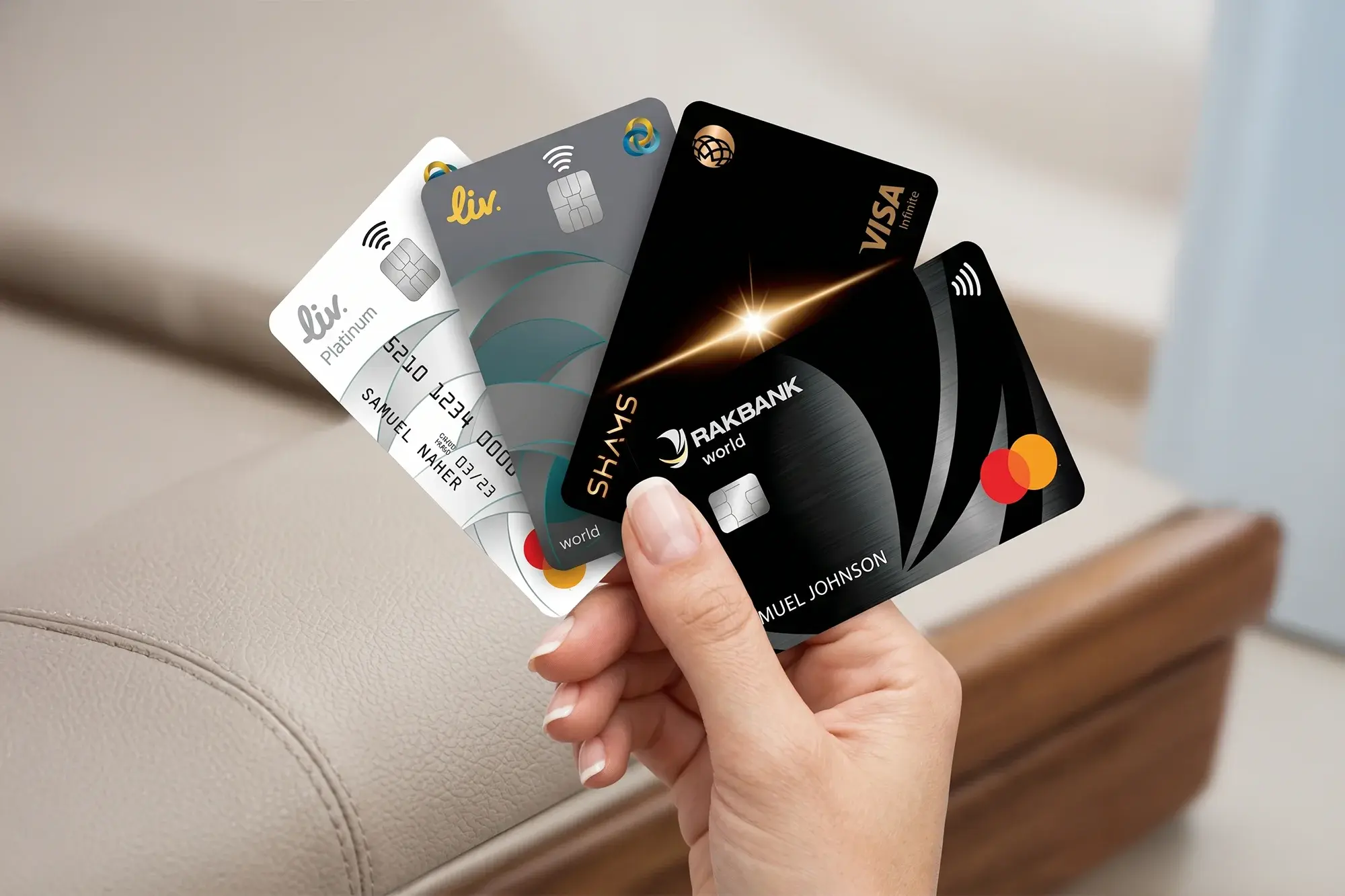
Let's be honest — if your credit card isn't rewarding your Friday brunch, your weeknight takeaway, or your third coffee of the day, it's not working harder for you.

The Best Credit Cards for Grocery Shopping in the UAE
Groceries are non-negotiable. For a typical UAE household of four, monthly supermarket spending ranges from AED 2,500 to AED 4,000

How to Apply for Your First Credit Card in the UAE
Applying for a Credit Card in the UAE should be simple. Between salary thresholds, AECB score requirements, and a market that has genuinely changed in 2025,

Cashback vs. Air Miles: Which UAE Credit Card Is Right for You?
Credit cards in the UAE offer an impressive array of benefits. Two of the most popular features residents look for are cashback rewards and air miles. Each offers distinct advantages, but they work differently and suit different spending habits.

5 Common Mistakes to Avoid When Choosing a Credit Card in the UAE
Credit cards in the UAE offer a world of convenience and valuable benefits — from cashback and travel rewards to shopping discounts and exclusive services. Yet, despite countless offers and promotions, many residents end up choosing cards that don’t truly suit their needs.

How to Use Test My Card to Find the Best Credit Card for You in Minutes
The UAE has one of the most diverse credit card markets in the world. Cashback, air miles, shopping discounts, travel perks—every bank offers different deals to attract customers. While this competition benefits consumers, it also creates confusion.

Salary Below AED 5,000 in the UAE? What You Should Know About Credit Card Eligibility
In the UAE, many residents earning below AED 5,000 assume that credit cards are completely out of reach. While income requirements do play an important role, it is equally essential to understand how today’s lending rules

Top 5 Credit Cards in the UAE with No Annual Fees
For many residents in the UAE, credit cards are essential tools for everyday life — offering convenience, security, and valuable rewards. However, one feature that often frustrates users is the annual fee

Money Lessons Should Start Before the First Paycheque
Most children encounter money long before they understand what it means. They watch their parents pay for groceries, order food, use a card at a restaurant, shop online or make payments through their phones.

The UAE Financial Vocabulary: Making Sense of the Terms You See Every Day
Walk into any UAE bank, browse a credit-card comparison page or scroll through an offer online, and you are likely to come across a familiar pattern.

The Convenience of “Buy Now”: How Delayed Payments Change the Way We Spend
You see a phone priced at AED 3,000. Then, right next to it, you see: AED 250 per month.

The Financial Domino Effect: How One Money Decision Can Change Everything Else
Money decisions rarely happen in isolation. You may think you are simply taking a new credit card, increasing your credit limit, moving to a more expensive apartment, taking a personal loan, or switching your bank.

The Spending Paradox: Why a High Salary Can Still Feel Like It's Not Enough
A higher salary should make you feel financially better off. You earn more, so naturally, you expect to have more money available for savings, investments, travel and the things you enjoy

Financial FOMO: Are You Choosing Products Because Everyone Else Is?
Your colleague just got a new credit card because the cashback is insane. Your cousin switched banks because their favourite influencer swears by it.

The Data Behind Your Wallet: How Banks Understand Your Financial Behaviour
Every time you tap your card at a coffee shop, pay a utility bill, or transfer money to a friend, you're leaving behind a small piece of information.

Your Money Personality: Are You a Saver, Spender, Optimiser, or Maximiser?
Ask two people with the same salary how they handle money, and you'll often get two completely different answers. One keeps a strict budget and rarely touches their savings.

The Personal Finance Reset: 5 Things Everyone Should Review Every Year
Most of us wouldn't drive a car for a full year without a service check. Yet many people go twelve months or more without giving their finances the same basic maintenance

How AI Is Changing the Way UAE Residents Choose Credit Cards
Until recently, choosing a credit card in the UAE meant scrolling through bank websites, opening a handful of tabs

Big-Ticket Purchases Made Easy: How 0% Instalment Plans Work on UAE Credit Cards
Buying a new laptop, upgrading your home appliances, or booking a family trip often means spending a large amount of money in one go. For many UAE residents

How Minimum Salary Thresholds Are Set and Why They Vary by Card Tier
Every UAE bank checks one thing first when reviewing a credit card application: your monthly salary. Before anything else is considered

The Rise of Super App Co-Branded Cards (noon, Talabat, Careem) and What They Mean for Your Rewards
UAE banks are increasingly building credit cards around the apps people already use every day, rather than offering generic cashback on broad spending categories

Understanding Interest-Free Periods : How to Enjoy Your Credit Card Without Paying a Dirham in Interest
Picture this: your salary gets credited on the 1st, and by the 25th, you've swiped your card for everything from groceries to a weekend trip.

The Psychology of Swiping: Why Credit Cards Feel Different from Cash
Picture two Fridays. On the first, you withdraw AED 500 in cash for brunch at a restaurant in Dubai Marina, and you feel every dirham leave your wallet as the bill adds up.

How to Build a Strong Credit History in the UAE Using Your Credit Card
Most people in the UAE get a credit card for the rewards. The cashback, the lounge access, and the dining discounts are the obvious reasons.
Why 2026 Is the Best Time to Be a Credit Card Holder in the UAE
Credit cards in the UAE have historically been approached with a degree of caution. While the rewards on offer were often appealing, eligibility requirements, complex fee structures
Choosing the Right Credit Card for Your Family in the UAE
Family life in the UAE comes with a unique spending pattern. Unlike single professionals who may concentrate their expenses on travel, dining, or lifestyle purchases,
How Much Credit Card Cashback Can You Realistically Earn in a Year
One of the most common questions credit card users in the UAE ask is simple, but important
The Smart Traveller's Guide to Using Credit Cards Abroad
For many UAE residents, international travel is no longer a once-a-year event. Whether it is a summer escape to Europe, a family holiday in Asia, or a quick city break over a long weekend, spending abroad has become a regular part of life.
Best Credit Cards for Booking Flights and Hotels This Summer in the UAE
Summer is one of the busiest travel seasons for UAE residents. Whether you're heading to London for cooler weather, Istanbul for a long weekend, the Maldives for a family holiday, or flying home to visit relatives, chances are your biggest expenses will be flights and accommodation.
How to Maximise Credit Card Rewards Without Overspending in the UAE
Most people in the UAE approach credit card rewards the wrong way. They assume more spending means more rewards
Premium vs. Entry-Level Credit Cards in the UAE- Is the Annual Fee Worth It?
You have seen them, the sleek metal cards, the platinum tiers, the promises of lounge access and complimentary chauffeur rides
How to Maximise Your Credit Card Rewards This Eid Al-Adha
Eid Al-Adha is almost here, falling on 26th May this year, and with it comes one of the biggest spending seasons on the UAE calendar
Should You Get Multiple Credit Cards? A UAE Guide
If you've ever wondered whether having more than one credit card is a smart move or a recipe for debt
Best Credit Cards for Dining in the UAE : Earn While You Eat
Let's be honest — if your credit card isn't rewarding your Friday brunch, your weeknight takeaway, or your third coffee of the day, it's not working harder for you.
The Best Credit Cards for Grocery Shopping in the UAE
Groceries are non-negotiable. For a typical UAE household of four, monthly supermarket spending ranges from AED 2,500 to AED 4,000
How to Apply for Your First Credit Card in the UAE
Applying for a Credit Card in the UAE should be simple. Between salary thresholds, AECB score requirements, and a market that has genuinely changed in 2025,
Cashback vs. Air Miles: Which UAE Credit Card Is Right for You?
Credit cards in the UAE offer an impressive array of benefits. Two of the most popular features residents look for are cashback rewards and air miles. Each offers distinct advantages, but they work differently and suit different spending habits.
5 Common Mistakes to Avoid When Choosing a Credit Card in the UAE
Credit cards in the UAE offer a world of convenience and valuable benefits — from cashback and travel rewards to shopping discounts and exclusive services. Yet, despite countless offers and promotions, many residents end up choosing cards that don’t truly suit their needs.
How to Use Test My Card to Find the Best Credit Card for You in Minutes
The UAE has one of the most diverse credit card markets in the world. Cashback, air miles, shopping discounts, travel perks—every bank offers different deals to attract customers. While this competition benefits consumers, it also creates confusion.
Salary Below AED 5,000 in the UAE? What You Should Know About Credit Card Eligibility
In the UAE, many residents earning below AED 5,000 assume that credit cards are completely out of reach. While income requirements do play an important role, it is equally essential to understand how today’s lending rules
Top 5 Credit Cards in the UAE with No Annual Fees
For many residents in the UAE, credit cards are essential tools for everyday life — offering convenience, security, and valuable rewards. However, one feature that often frustrates users is the annual fee
Money Lessons Should Start Before the First Paycheque
Most children encounter money long before they understand what it means. They watch their parents pay for groceries, order food, use a card at a restaurant, shop online or make payments through their phones.
The UAE Financial Vocabulary: Making Sense of the Terms You See Every Day
Walk into any UAE bank, browse a credit-card comparison page or scroll through an offer online, and you are likely to come across a familiar pattern.
The Convenience of “Buy Now”: How Delayed Payments Change the Way We Spend
You see a phone priced at AED 3,000. Then, right next to it, you see: AED 250 per month.
The Financial Domino Effect: How One Money Decision Can Change Everything Else
Money decisions rarely happen in isolation. You may think you are simply taking a new credit card, increasing your credit limit, moving to a more expensive apartment, taking a personal loan, or switching your bank.
The Spending Paradox: Why a High Salary Can Still Feel Like It's Not Enough
A higher salary should make you feel financially better off. You earn more, so naturally, you expect to have more money available for savings, investments, travel and the things you enjoy
Financial FOMO: Are You Choosing Products Because Everyone Else Is?
Your colleague just got a new credit card because the cashback is insane. Your cousin switched banks because their favourite influencer swears by it.
The Data Behind Your Wallet: How Banks Understand Your Financial Behaviour
Every time you tap your card at a coffee shop, pay a utility bill, or transfer money to a friend, you're leaving behind a small piece of information.
Your Money Personality: Are You a Saver, Spender, Optimiser, or Maximiser?
Ask two people with the same salary how they handle money, and you'll often get two completely different answers. One keeps a strict budget and rarely touches their savings.
The Personal Finance Reset: 5 Things Everyone Should Review Every Year
Most of us wouldn't drive a car for a full year without a service check. Yet many people go twelve months or more without giving their finances the same basic maintenance
How AI Is Changing the Way UAE Residents Choose Credit Cards
Until recently, choosing a credit card in the UAE meant scrolling through bank websites, opening a handful of tabs
Big-Ticket Purchases Made Easy: How 0% Instalment Plans Work on UAE Credit Cards
Buying a new laptop, upgrading your home appliances, or booking a family trip often means spending a large amount of money in one go. For many UAE residents
How Minimum Salary Thresholds Are Set and Why They Vary by Card Tier
Every UAE bank checks one thing first when reviewing a credit card application: your monthly salary. Before anything else is considered
The Rise of Super App Co-Branded Cards (noon, Talabat, Careem) and What They Mean for Your Rewards
UAE banks are increasingly building credit cards around the apps people already use every day, rather than offering generic cashback on broad spending categories
Understanding Interest-Free Periods : How to Enjoy Your Credit Card Without Paying a Dirham in Interest
Picture this: your salary gets credited on the 1st, and by the 25th, you've swiped your card for everything from groceries to a weekend trip.
The Psychology of Swiping: Why Credit Cards Feel Different from Cash
Picture two Fridays. On the first, you withdraw AED 500 in cash for brunch at a restaurant in Dubai Marina, and you feel every dirham leave your wallet as the bill adds up.
How to Build a Strong Credit History in the UAE Using Your Credit Card
Most people in the UAE get a credit card for the rewards. The cashback, the lounge access, and the dining discounts are the obvious reasons.
Why 2026 Is the Best Time to Be a Credit Card Holder in the UAE
Credit cards in the UAE have historically been approached with a degree of caution. While the rewards on offer were often appealing, eligibility requirements, complex fee structures

